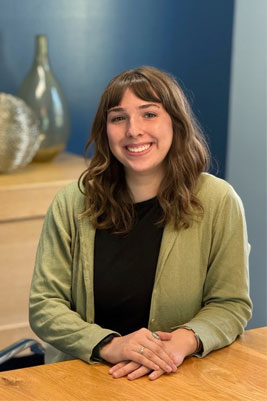
Jenna Woitalla
Legal Assistant
What is your experience and/or qualifications?
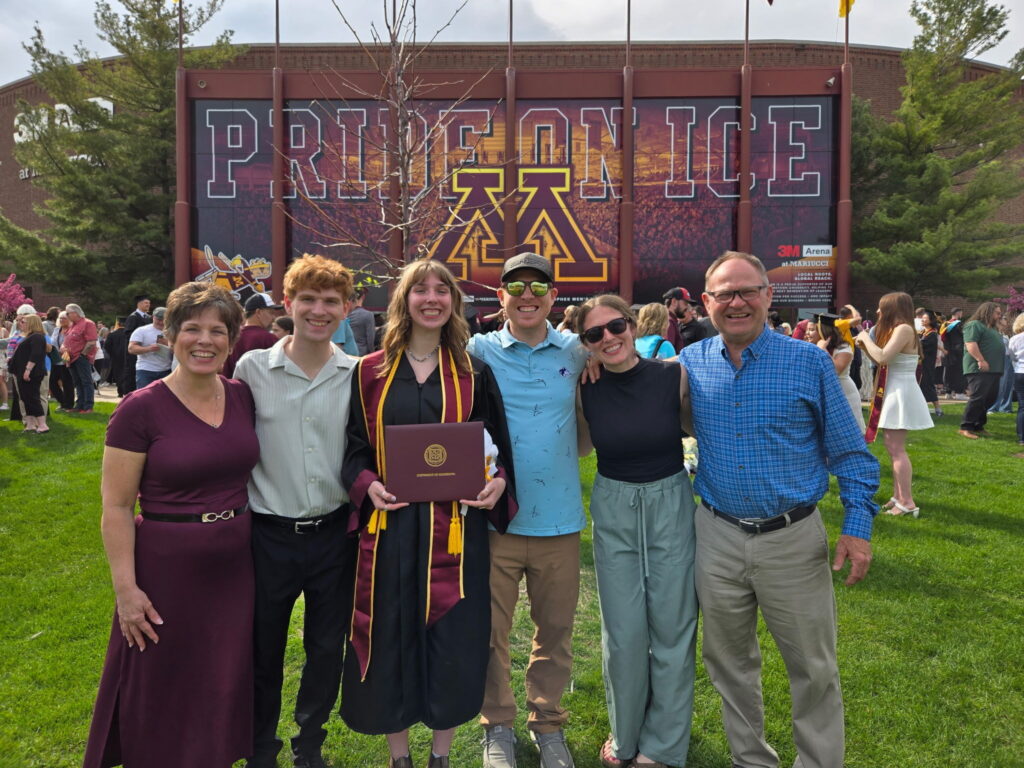
I earned my B.S. in Environmental Sciences, Policy, and Management from the University of Minnesota Twin Cities College of Food, Agricultural and Natural Resource Sciences in 2025. After graduation, I spent the summer working in Northern Minnesota before returning to the Twin Cities to begin my career in the legal field. Before joining Safe Harbor Estate Law, I worked at a civil litigation law firm, where I gained valuable experience in the legal profession and developed a strong appreciation for the important work that happens behind the scenes to support attorneys and clients. My background in environmental science strengthened my analytical thinking, attention to detail, and problem-solving skills, while my experience in the legal field reinforced my desire to help people navigate important life decisions.
What Do You Like Best About Estate Planning And Elder Law?
What I enjoy most about estate planning and elder law is the opportunity to help people during important stages of their lives. I find it rewarding to guide clients through significant life decisions with confidence, providing clarity and peace of mind during what can often be an overwhelming process. Being able to relieve stress, offer trusted guidance, and help clients create plans that protect themselves and their families is one of the most fulfilling aspects of my work.
What Do You Like To Do In Your Spare Time?
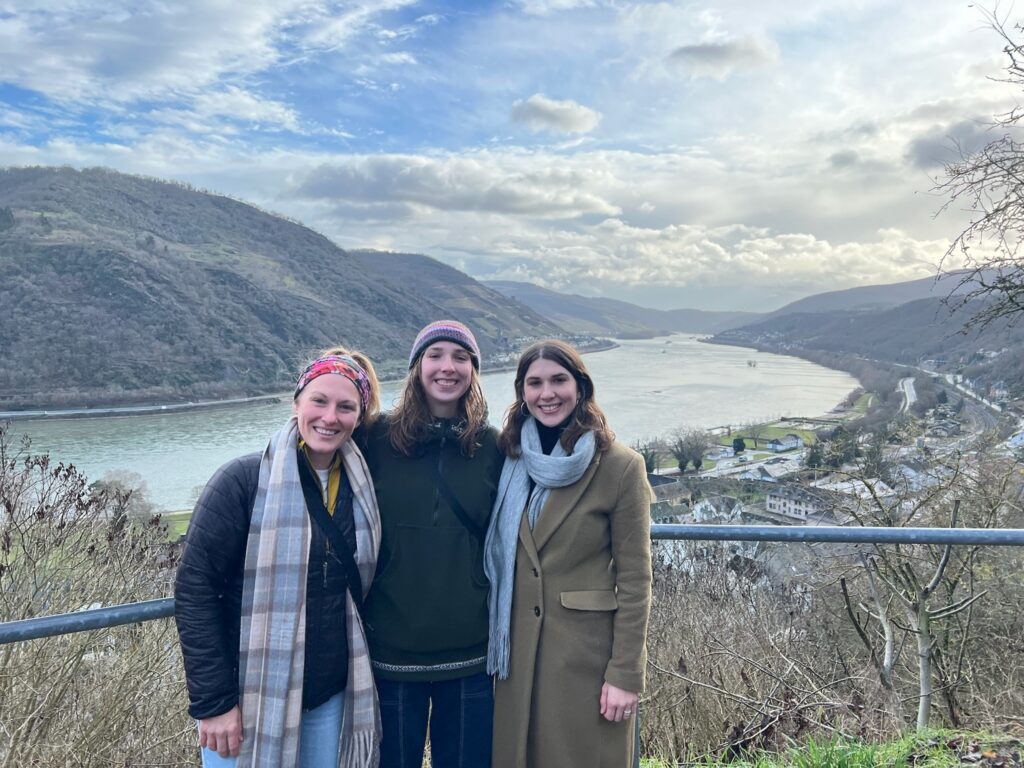
I enjoy spending my spare time with family and friends. I have 2 sisters and 2 brothers, and I try to spend as much time as possible with them and my parents. When I’m not with family, I love being outdoors whether that’s hiking, canoeing, or simply enjoying a sunny day. I also enjoy learning new things in my free time and recently taught myself to knit!
What is a fun fact about you?
I was a member of the University of Minnesota Soil Judging Team! Soil judging is a field-based educational and competitive program where undergraduate students evaluate, describe, and classify soil profiles from excavated soil pits that can be two to six feet deep. It was a unique and hands-on experience that combined science, teamwork, and problem-solving.